Bed Bug Prevention Tips: Keep Your Home Pest-Free With These Tips
Bed bug invasions can disturb a household, creating anxiety and unease. Comprehending their patterns and adopting precautionary steps is vital. From preserving hygiene to carrying out consistent examinations, there are various methods that can successfully lower the likelihood of these nuisances. Additionally, precautions while traveling can further safeguard against bringing bed bugs home. What specific steps can homeowners take to guarantee their living spaces remain free from these unwanted guests?
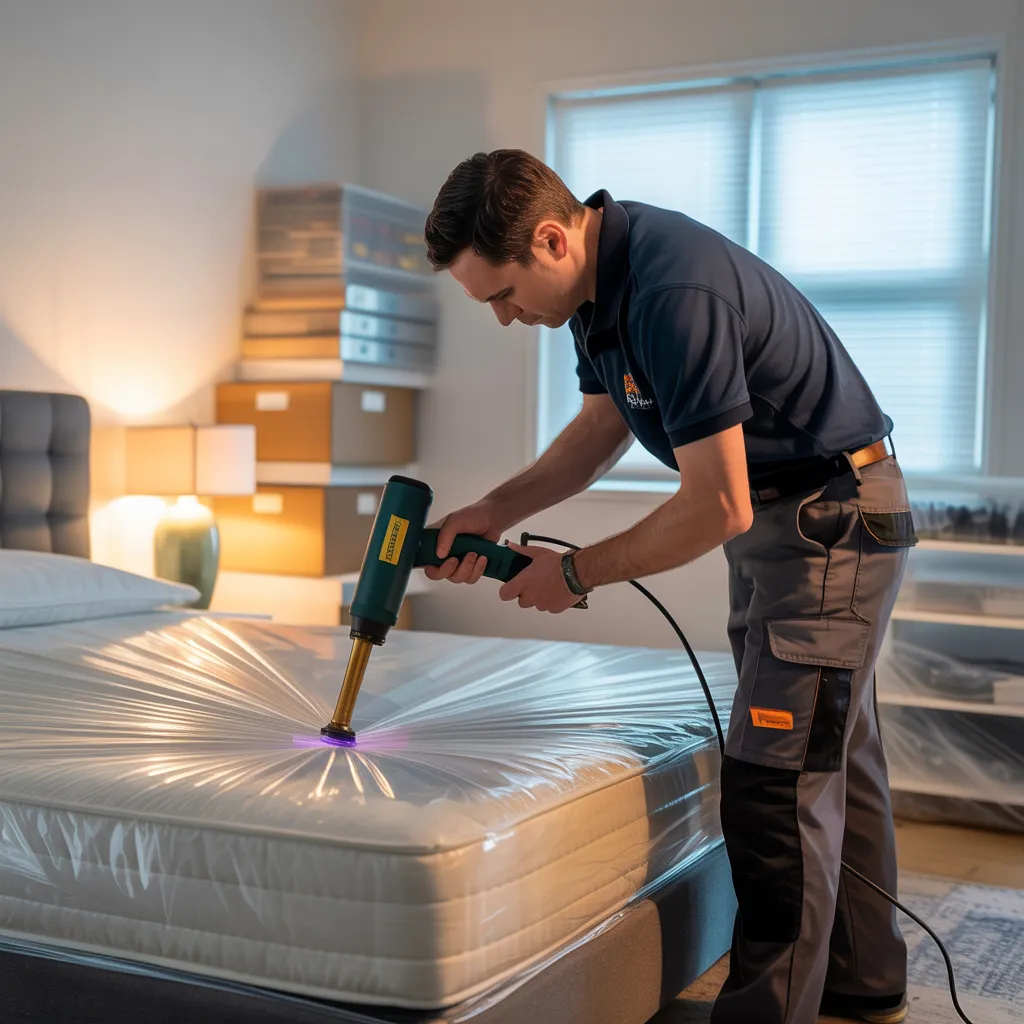
A Guide to Understanding Bed Bugs: Identification and Behavioral Patterns
Bed bugs, small nocturnal insects known for their blood-feeding habits, pose notable challenges for homeowners and travelers alike. These pests are typically brown, flat, and oval-shaped, measuring about 4 to 5 mm in length. Their talent for concealing consult article themselves within narrow crevices makes them exceptionally hard to eliminate. Bed bugs tend to be most active during nighttime hours, coming out from their concealed locations to feed on the blood of resting humans or animals.
The bed bug life cycle consists of several stages: egg, nymph, and mature adult, with females known to lay hundreds of eggs in their lifespan. Their behavior is largely driven by the need for food, and they are attracted to carbon dioxide and warmth emitted by their potential hosts. Knowing these behaviors is vital for proper identification and control, as prompt detection can considerably minimize the chances of a widespread infestation.
Important Cleaning Routines to Prevent Infestations
Good cleaning practices play a crucial part in preventing bed bug infestations. Regularly vacuuming carpets, rugs, and upholstered furniture assists in eliminating any bed bugs and their eggs. It is essential to use a vacuum with a HEPA filter and to place the vacuum bag directly into a sealed plastic bag to prevent any risk of reinfestation.
Washing linens, bedding, and clothing in high-temperature water at least one time per week is another key practice, as intense heat can kill bed bugs and their eggs effectively. Placing these items in a dryer on high heat for at least 30 minutes strengthens this preventive approach.
Moreover, reducing clutter in living areas limits harborage areas for bed bugs, helping homeowners to sustain a bug-free environment. Periodically inspecting and maintaining areas like furniture edges, closet interiors, and baseboards significantly aids in thorough pest management, creating an inhospitable setting for these pests.
Regular Property Examinations for Bed Bugs
How do consistent inspections support a home free of bed bugs? Routine home inspections play a vital role in early detection and prevention of bed bug infestations. By systematically examining sleeping areas, furniture, and common hiding spots, homeowners can identify signs of bed bugs, such as shed skins, fecal spots, or live insects. Such inspections ought to be carried out every few months, especially in high-risk zones such as bedrooms and living rooms.
Additionally, including all household members in the checking process fosters attentiveness and watchfulness, enabling it to be more straightforward to detect likely concerns early. Using equipment including flashlights and magnifying glasses can improve these inspections, facilitating a more detailed assessment. In the end, a forward-thinking method through regular inspections ensures that any bed bug presence is addressed swiftly, avoiding the requirement for more comprehensive and expensive eradication measures in the days ahead.
Travel Tips: How to Avoid Bed Bugs?
Although travel can be a rewarding adventure, it also creates chances for bed bugs to travel along. To reduce the chances, travelers should follow a few preventive measures. To begin, inspecting hotel rooms upon arrival is essential; examine the edges of mattresses, headboards, and furnishings for any indications of bed bug presence. Storing luggage off the floor and at a distance from the bed can additionally minimize the risk. It is advisable to opt for rigid-sided bags, as bed bugs are unlikely to get through such materials.
Furthermore, those traveling should think about packing garments in sealed plastic bags. Cleaning clothing in hot water upon arriving back home can remove any harmful pests. When selecting lodging options, choosing hotels with good reviews regarding hygiene and pest management can be highly beneficial. By being vigilant during travel, people can considerably lower the chance of bringing bed bugs home.
Reliable Treatment Methods for Early Detection and Management
Early detection and control of bed bugs is essential for proper handling of bed bug infestations. Residents should consistently check bedroom spaces, concentrating on mattress seams, bed frames, and surrounding furniture. Employing specialized bed bug detection equipment, such as monitoring traps and intercepting devices, can aid in identifying early signs of these pests.
Should an infestation be detected, swift action is necessary. Laundering bedding and clothing in hot water and tumble drying on high heat can eradicate bed bugs at every life stage. Carefully vacuuming all affected surfaces, including carpets and upholstery, aids in clearing away visible bugs and eggs.
Qualified extermination professionals often employ a combination of heat applications and chemical treatments to eradicate bed bugs effectively. Prompt response and ongoing observation are vital in stopping a minor issue from developing into a major infestation. Implementing these treatment methods ensures a forward-thinking solution for keeping a home free of bed bugs.
Questions We Often Receive
Are Bed Bugs Able to Survive in Extreme Temperatures?
Indeed, bed bugs can survive extreme temperatures. They endure cold temperatures reaching 0°F for a few days and are able to withstand heat up to 122°F. Nevertheless, prolonged exposure to these conditions can be lethal to them.
What Does a Bed Bug Bite Look Like?
Indicators of a bed bug bite usually consist of small, red, itchy welts on the skin, commonly grouped in clusters or linear patterns. Further symptoms may involve redness, swelling, and in some cases, allergic responses or secondary skin infections.
How Are Bed Bugs Transmitted Between Homes?
Bed bugs spread between homes most commonly through infested baggage, pre-owned furniture, garments, or personal effects. They are also capable of moving through shared walls in apartment buildings and condos, making thorough inspection and preventive measures critical for residents.
Are There Natural Remedies for Bed Bug Prevention?
Natural remedies for bed bug prevention include essential oils like tea tree and lavender, diatomaceous earth powder, and frequent vacuuming. That said, results may vary, and expert pest management may be needed for significant bed bug infestations.
Are Pets Able to Bring Bed Bugs Into the Home?
Pets may unknowingly transport bed bugs into your home by acquiring them from areas with existing infestations. Although bed bugs do not inhabit pets directly, their fur can serve as a brief mode of transportation for these parasites.